There’s a quiet hesitation that often comes with living in a small apartment. You want to invite people over, to share a meal or spend an evening together. But at the same time, you’re aware of the space — the limited seating, the narrow walkways, the way the room is already carefully arranged to support your daily routine.
So the question becomes not just when to host, but how. Making room for guests in a small home isn’t about having more space. It’s about allowing your space to shift, just enough, to welcome someone in.
When Space Begins to Open Up

Most small apartments are arranged for everyday living. A chair sits where it’s used most. A table is positioned for convenience. Everything has found its place over time. But when guests arrive, that same arrangement can start to feel fixed.
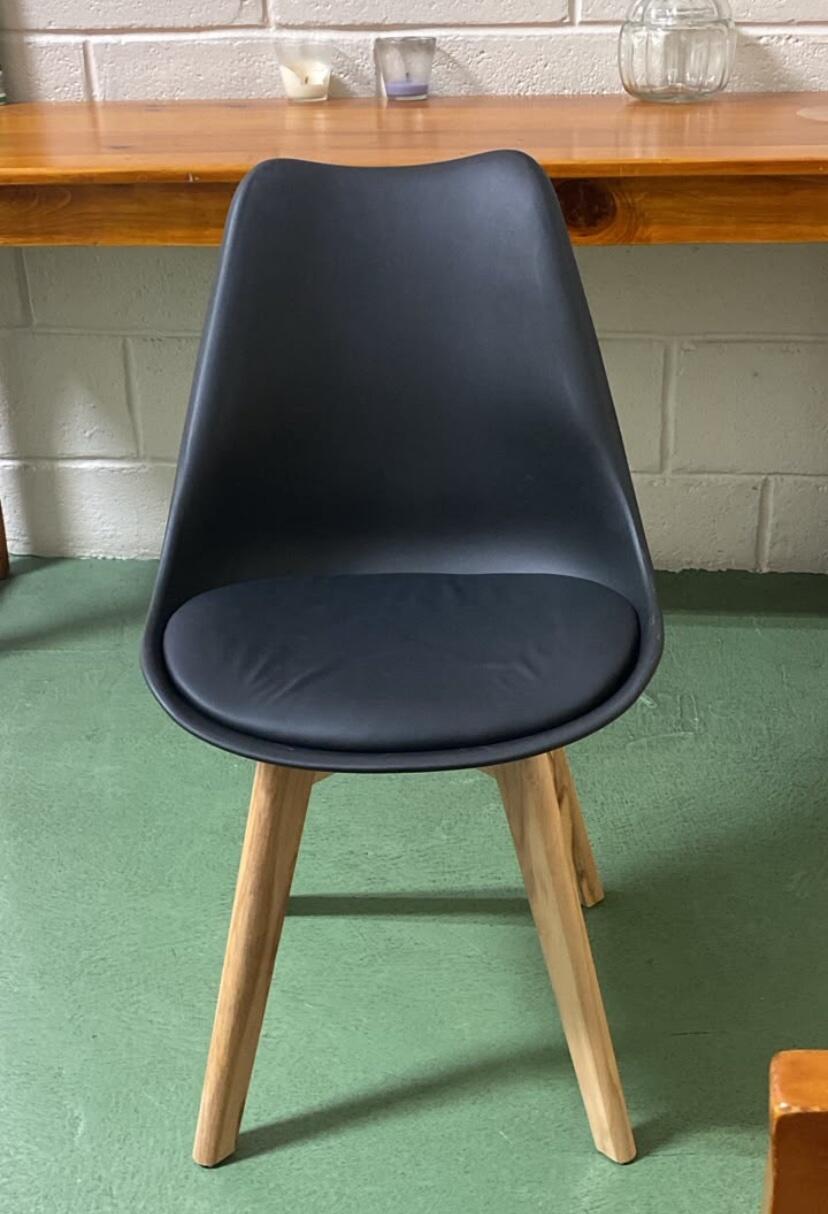
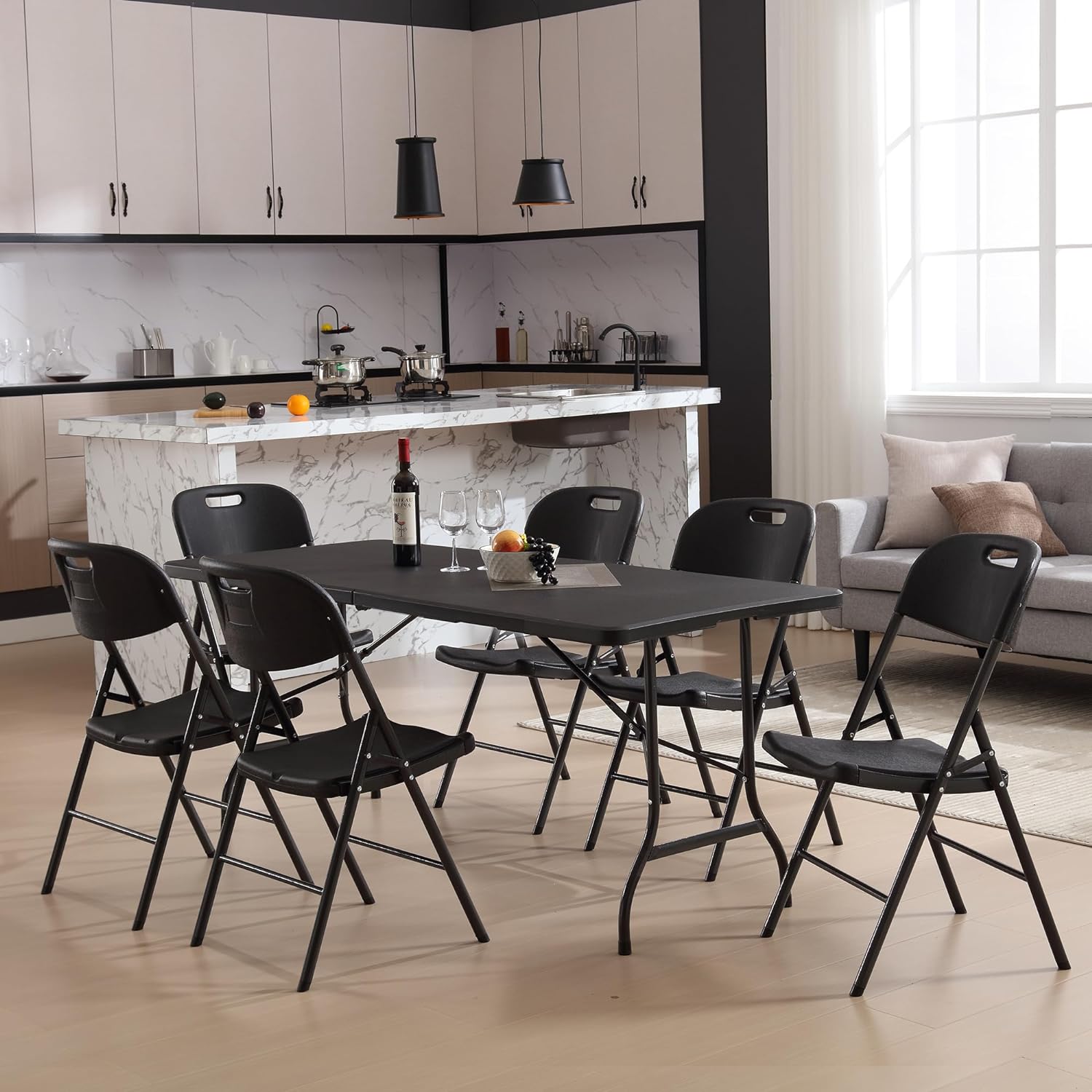
What makes hosting easier is not a complete rearrangement, but a subtle sense of flexibility. An extra seat that appears when needed. A table that can extend its purpose for a few hours. Space that feels open, even if it hasn’t physically changed very much. Folding chairs, for example, often stay out of sight until they’re needed. And when they are, they allow the room to expand without permanently giving up floor space. Once the evening ends, everything returns quietly to its original rhythm.
The space doesn’t feel interrupted — just briefly extended.
Creating a Shared Moment, Not a Perfect Setup

Hosting in a small apartment is rarely about creating a perfect dining arrangement.
It’s about making people feel comfortable. Sometimes that means chairs gathered a little closer than usual. A table that holds more than it normally would. A living room that temporarily becomes a place to eat, talk, and linger.
These moments don’t need precision. They need warmth. A simple table, a few additional seats, and a layout that allows people to face each other is often enough. When the space supports connection, its size becomes less noticeable.
Let the Space Return to You
One of the unspoken concerns about hosting in a small home is what happens afterward. Will the space feel crowded? Will everything need to be rearranged again?

This is where flexible furniture quietly makes a difference. Pieces that can be folded, moved, or tucked away allow the home to return to its original state without effort. The living room becomes a living room again. The pathways open up. The sense of calm comes back just as easily as it left.
Hosting doesn’t have to leave a lasting footprint.
A Home That Can Welcome Others
A small apartment may not hold large gatherings, but it can still hold meaningful ones. A few people. A shared meal. A conversation that stretches into the evening.
When your space can gently adapt — opening up when needed and settling back afterward — it becomes easier to invite others in without hesitation.
And often, it’s not about how much room you have, but how naturally your home makes space for someone else.