Most people notice furniture with their eyes first. The color, the shape, the way it fits into a room. But long before something looks beautiful, it should feel right. That feeling—quiet, steady, almost unremarkable—comes from structure.
Structure is rarely the part people talk about. It does not photograph as easily as finishes or silhouettes. Yet it is the reason a table feels trustworthy when you lean on it, or a desk stays firm after years of daily use. Good structure creates a sense of calm, even if you cannot immediately explain why.

The Quiet Role of Structure
A well-built piece of furniture does not demand attention. It supports weight without complaint, holds its shape over time, and stays steady as life moves around it. You notice its absence only when it fails—when a chair wobbles, a shelf sags, or a table shifts with every touch. Structure, when done right, fades into the background and lets living take the lead.
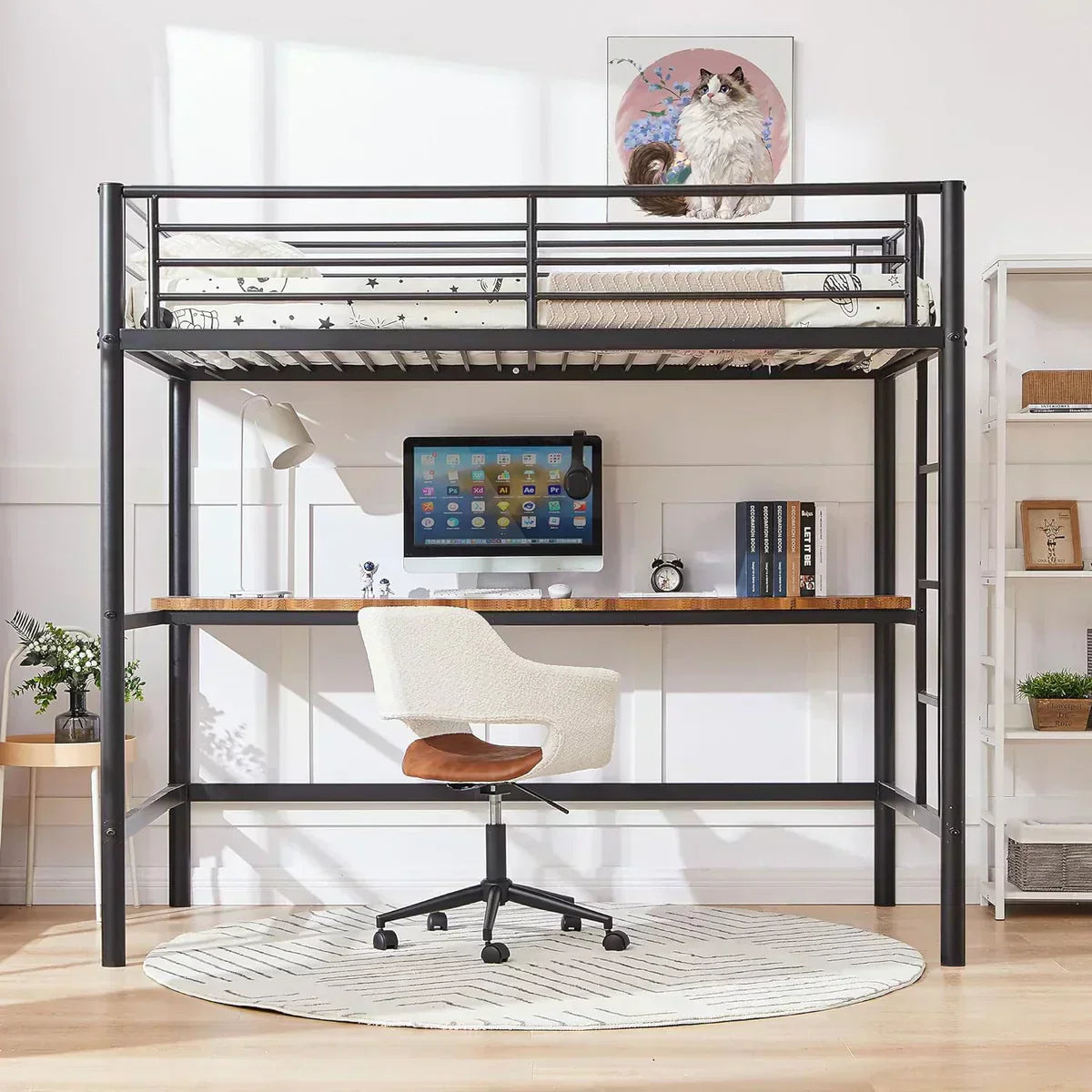
At its core, structure is about balance. The relationship between the frame and the surface, the thickness of materials, and how each joint carries weight. Metal frames that are thoughtfully proportioned, reinforced corners, and evenly distributed support all work together to create stability. These details are not decorative, but they define how a piece performs day after day.
Style can be added later. Structure cannot.
Trust Earned Through Use
Furniture designed with structure in mind does not need to compensate with excess design. It does not rely on bold shapes or heavy ornamentation to feel substantial. Instead, it earns trust quietly. A table that stays grounded during busy mornings. A desk that supports long hours of work without flexing or shifting. These are not dramatic moments, but they are the ones that shape everyday experience.

There is also an honesty in visible structure. When you can sense how a piece is built—where its strength comes from—it feels more transparent, more dependable. Clean lines and open frames allow the construction to speak for itself. Nothing is hidden, and nothing is overstated. What you see is how it works.
Built for Real Life, Not Ideal Scenes
In real homes, furniture is rarely used exactly as intended. Tables become temporary workstations. Side tables hold bags, books, and cups all at once. Desks support not only laptops, but elbows, leaning weight, and moments of pause. Structure is what allows furniture to adapt without losing its integrity.

This is especially important in spaces that change often. Small apartments, shared homes, or rooms that serve multiple purposes require furniture that can handle movement and repetition. Strong frames and stable construction ensure that rearranging a room does not mean replacing its furniture. A piece that is structurally sound stays relevant, even as the space around it evolves.
When Structure Becomes Its Own Beauty
When structure comes first, style becomes quieter—but more lasting. Proportions feel natural. Lines feel intentional rather than forced. The furniture blends into different environments instead of competing with them. Over time, this restraint becomes its own form of beauty.
Good furniture does not need to announce itself. It proves its value slowly, through consistency. Through mornings that begin smoothly and evenings that settle without friction. Through the small, repeated moments where nothing goes wrong.

Structure is not something you decorate around. It is something you build upon. And when furniture is designed from that foundation, it earns a place in the home—not just as an object to look at, but as something you rely on, every single day.